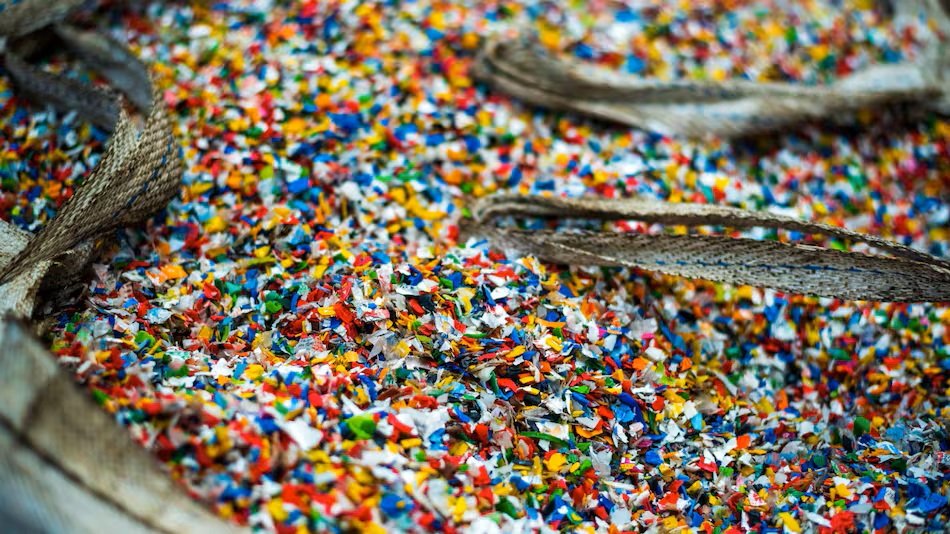
Microplastics are plastic fragments measuring up to 5 mm. They cause a grave environmental impact and harm people’s health.
How microplastics appear and where are they?
They were first discovered in 1970 and are categorized into two types: primary microplastics, which are found in cosmetics, personal hygiene products, synthetic fabrics, exfoliants, tires, paints, resin pellets, and urban dust. In comparison, the secondaries appear as a result of the slow degradation of bigger plastic waste.
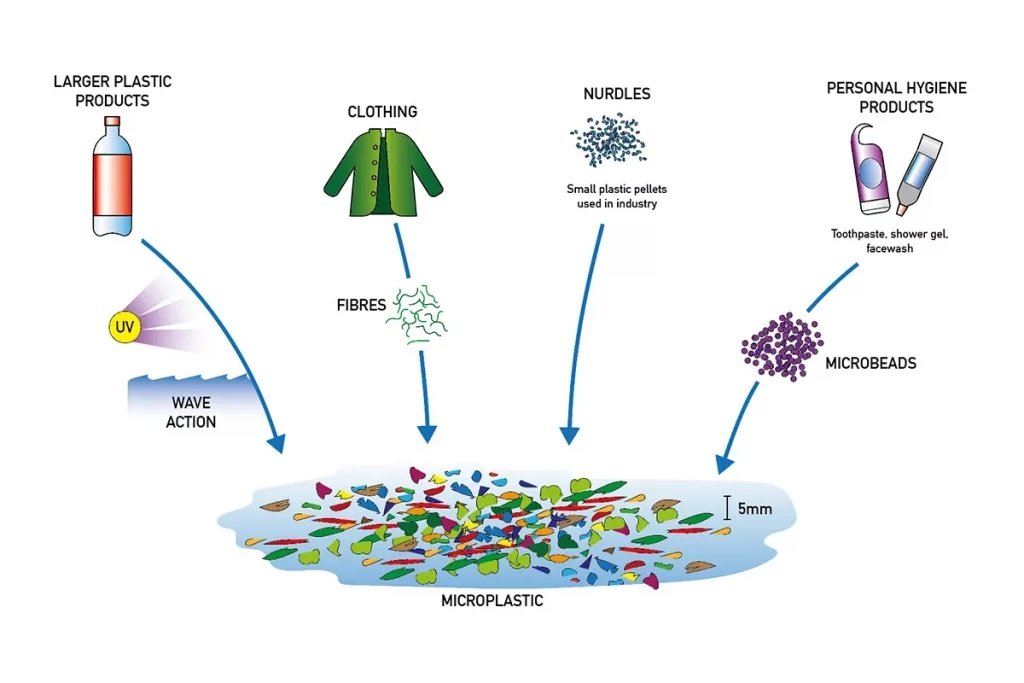
The microplastics are made of polymers such as polyethylene (PE), polyethylene terephthalate (PET), polypropylene (PP), polystyrene (PS), polyurethane (PU), polyamide (PA), polyvinyl chloride (PVC), and nylon (PA). They are present in many types of foods and drinks.
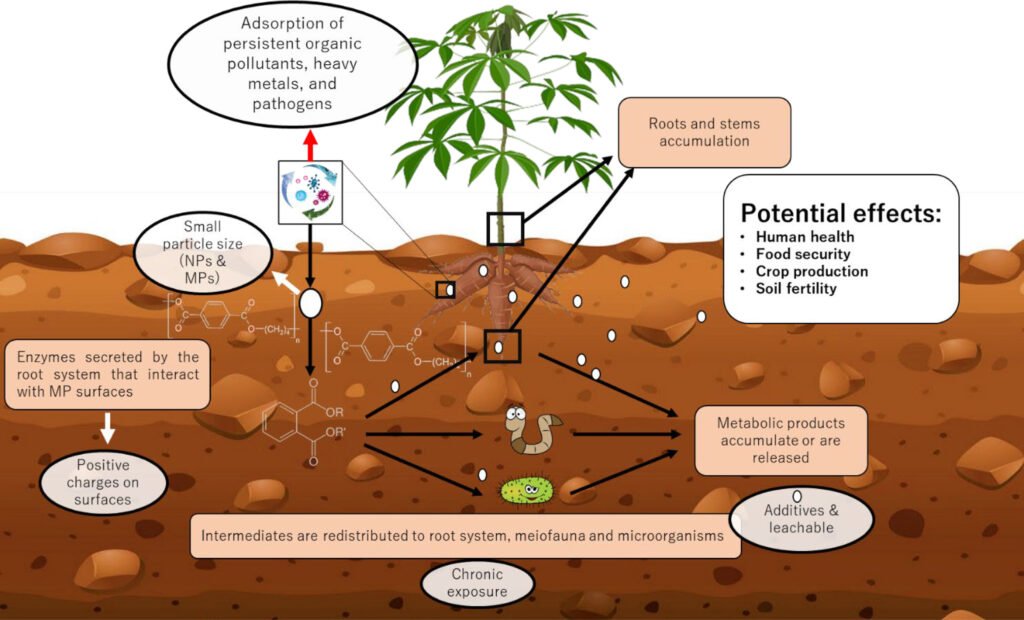
Not only on the seas, microplastics are also present on agricultural lands. The main source of plastic microparticles on agrarian soil is the sludge from effluent treatment, which is used as fertilizer and has synthetic particles from cosmetics and hygiene products. In addition, microplastics can be transported by the wind.
Microplastics are spread to all places on Earth, including Antarctica, Mount Everest’s peak, and ocean trenches.
Microplastics impact
Damage to the environment
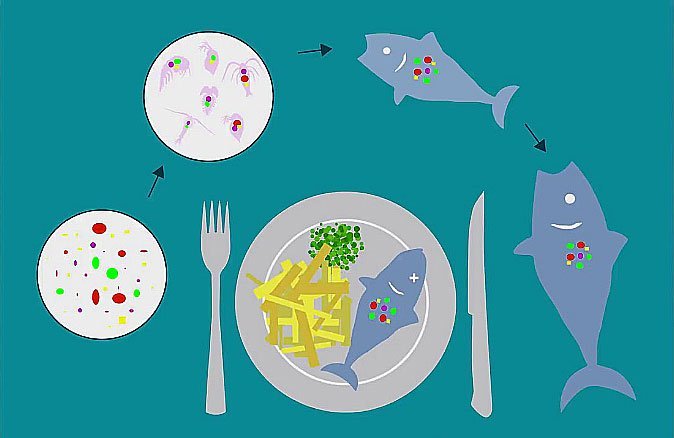
Sea animals can asphyxiate from ingesting plastic microplastics, which can also damage internal organs and block digestive system. In addition to having a very long decomposition time, microplastics absorb mercury, cadmium, and other heavy metals, harming living beings’ health. Microplastics on agricultural lands change the soil’s physical structure and limit its capacity to retain water. Consequently, soil’s health is compromised, reducing crop yields and compromising food security. In addition to this, according to Zhang, Kang, and Gao (2023), the capacity of microplastics to absorb sunlight can accelerate the melting of glaciers, reducing the surface’s ability to reflect sunlight and exacerbating global warming.
Damage to human health
Microplastics reach the human body through inhalation and digestion. Research shows that there are microplastics in blood, brain, placenta, mother’s milk, bones, liver, kidneys and intestines. More research is being made about the effects on body. But, there is already evidence that these particles liberate toxins and cause damage to human organism, such as:
- Compromised stem cells function in the bone marrow.
- Provoke inflammation and oxidative stress, which is an unbalance between free radicals and antioxidants.
- Death cell and damage to tissues.
- Causes respiratory, cardiovascular and neurodegenerative diseases.
- Disturbance of the intestinal microbiota.
In addition, there are nanoplastics, particles smaller than 1 micrometer, which can pass through the skin and cell membranes; they can damage cells and DNA.
Possible mitigation measures
- Replace the polymers mentioned before with biodegradable materials and that do not possess any harmful substances to the environment and people.
- Use more glass bottles for drink storage.
- Remove microplastics from the production of cosmetic and hygiene products.
- Increase recycling. Since 1950, less than 10% of plastic has been recycled.
- Make adequate disposal and recycling, so that plastics won’t end up in the oceans or soil. Don’t throw any garbage on the street.
Eventually, the microplastic already in the environment has to be removed.