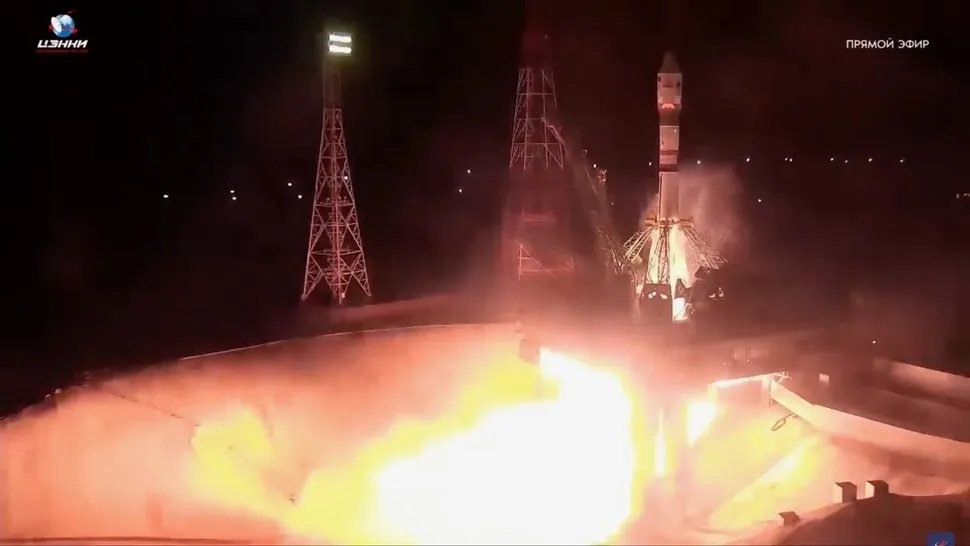
A Russian Soyuz rocket launched from Baikonur Cosmodrome, in Kazakhstan, the biosatellite Bion-M Nº2, which contained many living organisms.
Source: Space.com
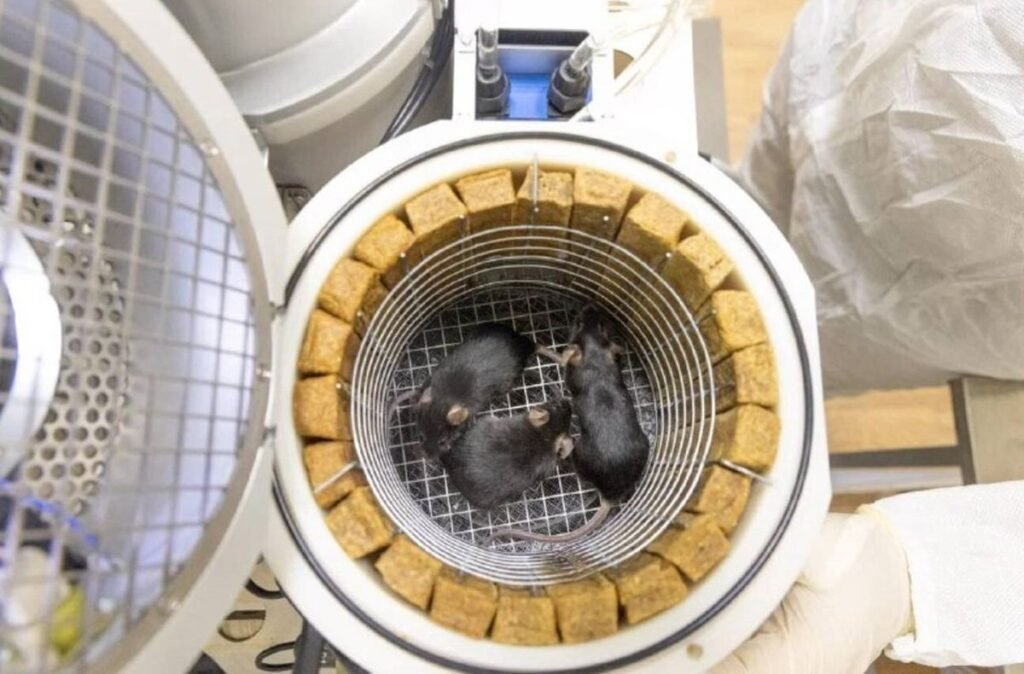
Onboard are 75 mice and 1,000 fruit flies, along with a variety of microbes, cell cultures and plant seeds. These living payloads will spend a month circling Earth, to help scientists gauge the effects of spaceflight on organisms and their various systems.
As its name suggests, the newly launched mission is the second in Russia’s Bion-M line of space-medicine investigations, the successor to the nation’s previous Bion program. (The last of the original Bion missions, Bion 11, flew in 1996.)
Bion-M No. 1 launched in April 2013, sending a diverse assemblage of creatures to low Earth orbit for 30 days. These payloads included “rodents, amphibians, reptiles, crustaceans, mollusks, fish, insects, bacteria, plant and animal cell cultures,” according to a NASA mission description.
Bion-M No. 2 was supposed to follow in 2016 or 2017 but was beset by a series of delays, as Anatoly Zak of RussianSpaceWeb.com noted. Everything was finally ready today, and the spacecraft got off the ground at long last.
Like its predecessor, Bion-M No. 2 is expected to circle Earth for a month. It will do so in a different orbit, however — one that takes it over the poles, increasing the exposure to cosmic radiation substantially compared to Bion-M No. 1.
The mission’s capsule will then parachute back to Earth, where it will be retrieved and taken back to the lab. Researchers will pore over the payloads, studying how the various organisms — and simulated moon dirt and rock, which also launched on Bion-M No. 2 — were affected by microgravity and radiation.
Such work is designed to help Russia prepare for human exploration of deep-space locales, particularly the moon.
Russia is targeting Earth’s nearest neighbor in the relatively near future: It’s a partner on the International Lunar Research Station, a China-led effort to establish a crewed moon base in the 2030s.
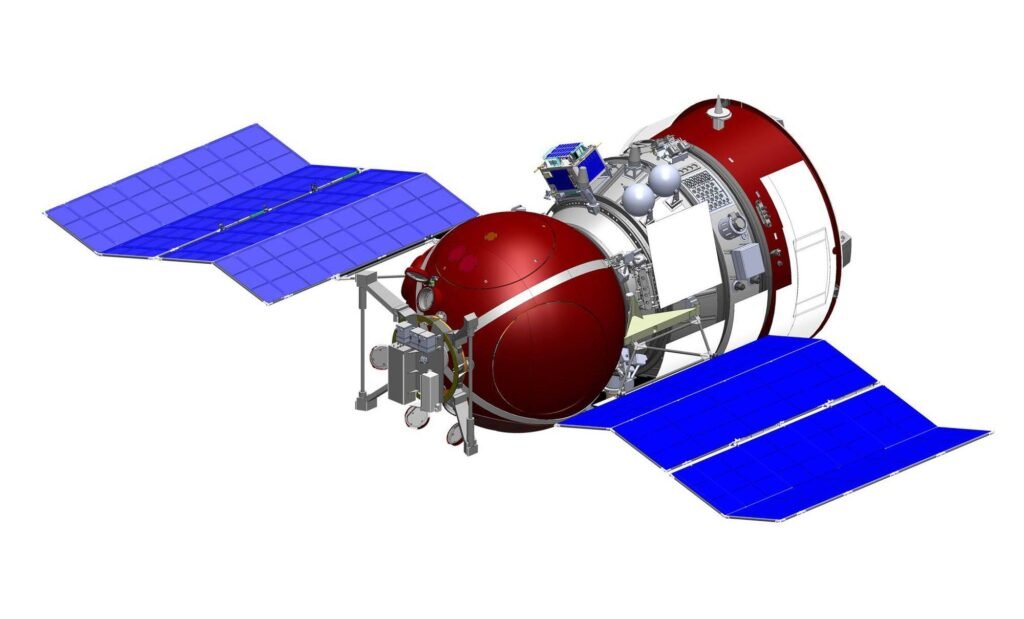
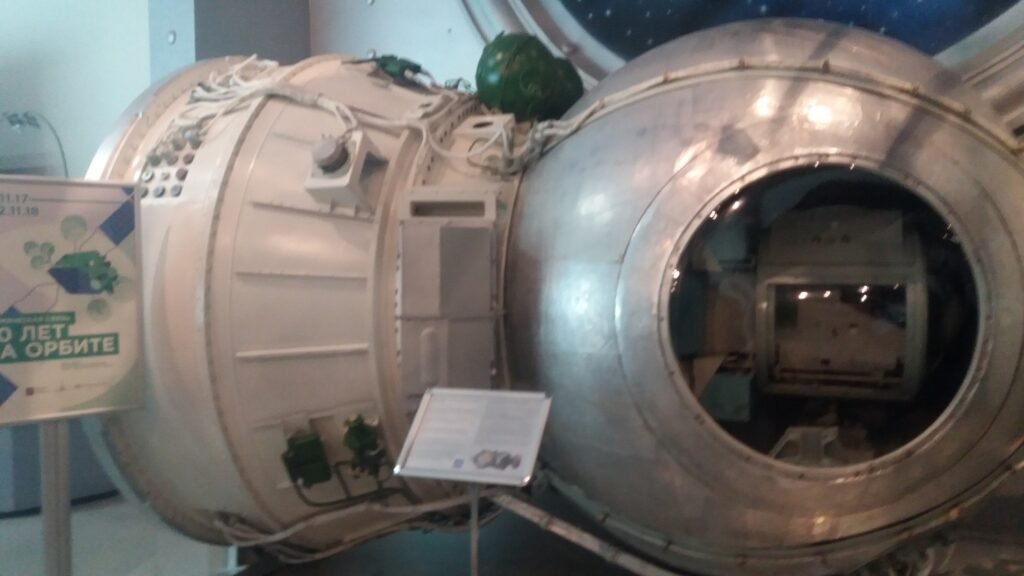
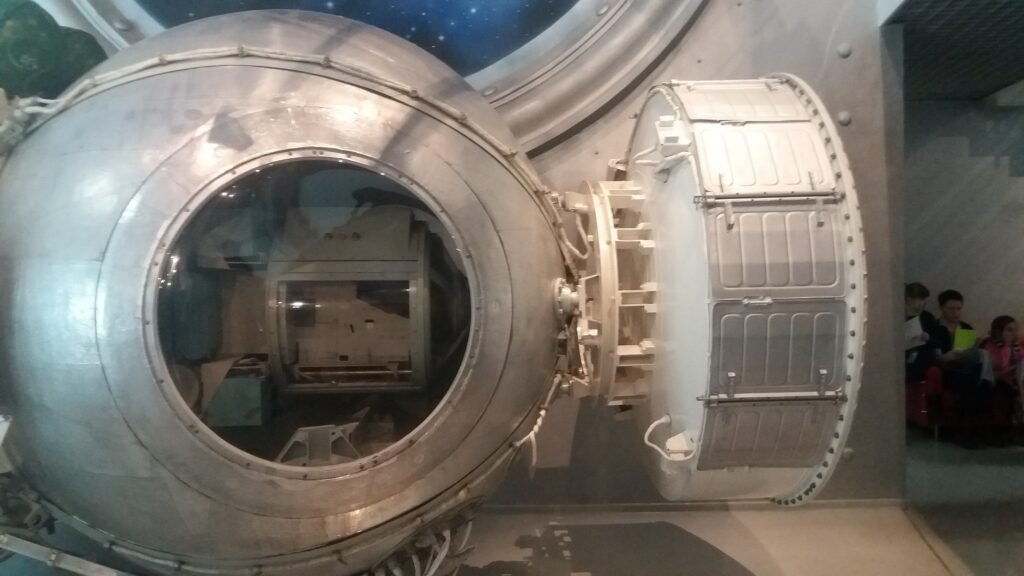
The images below show the Bion-6 spaceship, launched on December 14, 1983. It’s in The Cosmonautics Memorial Museum in Moscow.
To know more about the museum, click on the following links.
The Cosmonautics Memorial Museum in Moscow (Part 1)Click here
The Cosmonautics Memorial Museum in Moscow (Part 2)Click here
A video about my visit in 2024.