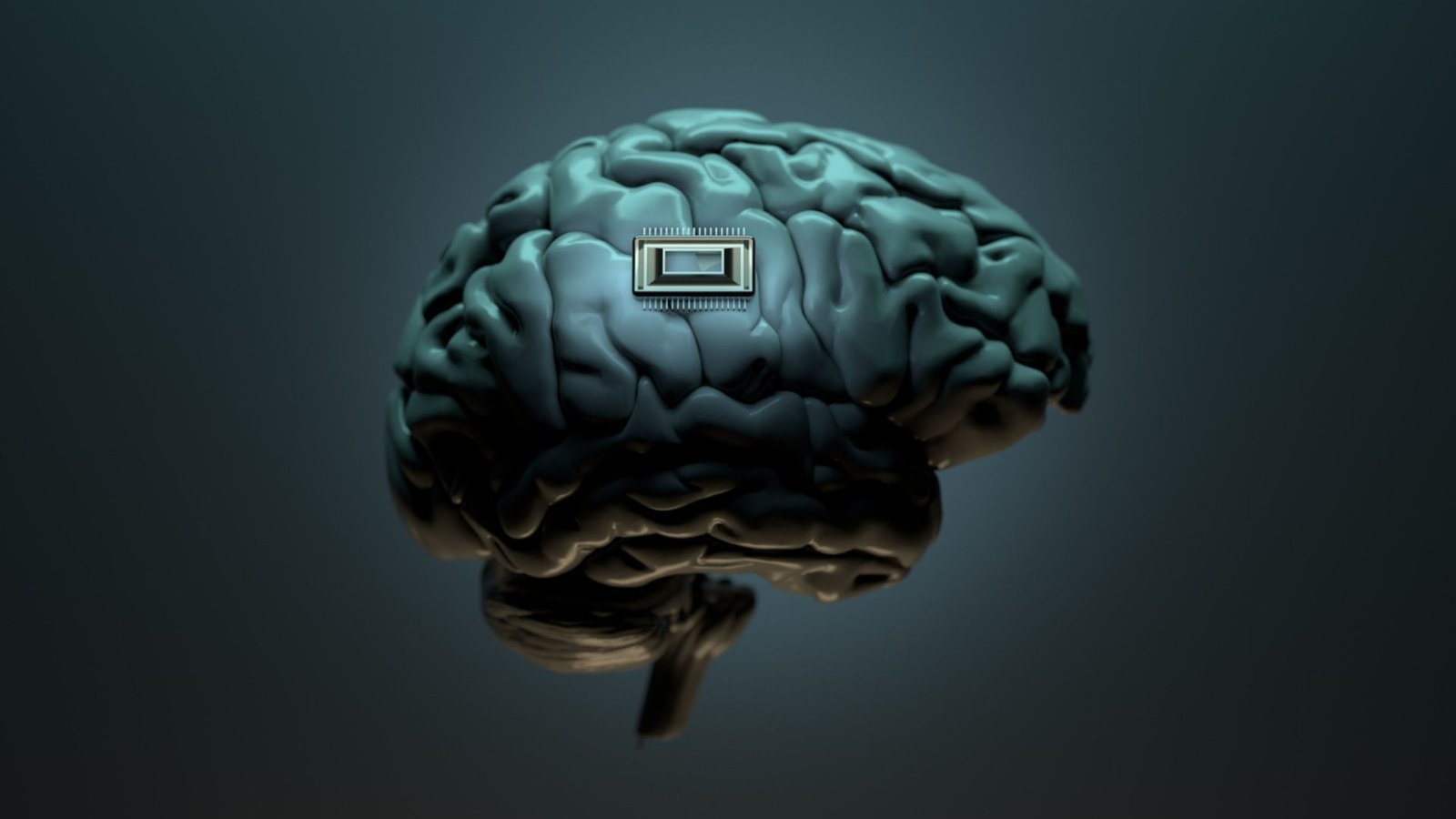
China approved a commercial brain implant to restore hand movement, making it the world’s first to enter in the market.
Source: Interesting Engineering
The approval was granted by the National Medical Products Administration, China’s drug regulator, allowing the system to be sold for clinical use.
The device was developed by Borui Kang Medical Technology in Shanghai. It is designed to help patients with quadriplegia caused by cervical spinal cord injuries regain the ability to grasp objects using a robotic glove.
Brain-computer interfaces, or BCIs, connect neural signals in the brain to external devices. In this case, brain signals are translated into commands that activate the assistive glove, enabling patients to perform basic hand movements.
To know with more details about brain-machine interfaces, access the following link.
Post about brain-machine interfaceClick here
The newly approved system is an invasive BCI device, meaning electrodes are implanted directly into the body to capture neural signals.
Instead of penetrating deep brain tissue, the device uses minimally invasive extradural implantation, placing electrodes outside the dura layer of the brain.
The system also relies on wireless communication to transmit neural signals, allowing the device to interpret a patient’s intention to move and convert that signal into mechanical movement in the glove.
The goal is to help patients who have lost motor function due to spinal cord injuries regain some independence in daily activities such as grasping objects.
According to the regulator, clinical trial data showed significant improvements in hand grasping ability among participants. The agency said the gains helped improve patients’ quality of life.
China has placed brain-computer interface technology among its priority development areas.
The regulator said BCI products like the newly approved system have been prioritized, noting the sector has been designated a “future industry” in Beijing’s latest five-year plan.
Experts expect the technology to move quickly from research labs to broader use.
One leading BCI specialist recently told Reuters that China could see brain-computer interface technology enter practical public use within three to five years as the technology matures.
The development also comes as China seeks to close the gap with U.S. neurotechnology startups such as Neuralink, founded by Elon Musk, which is developing implantable devices aimed at restoring movement and communication in patients with severe neurological conditions.
The newly approved device targets adults aged 18 to 60.
Eligible patients must have had the injury for at least one year and remain in stable condition for at least six months following treatment.
Patients must be unable to grasp objects with their hands but retain some upper arm movement, allowing the system to assist with restoring hand grasping ability through the wearable glove interface.
According to the news site South China Morning Post and to the website Fierce Biotech, the company Neuracle Medical Technology, from Shanghai, developed the first recently approved neural implant for commercial use and has the same function of the implant reported on this post.