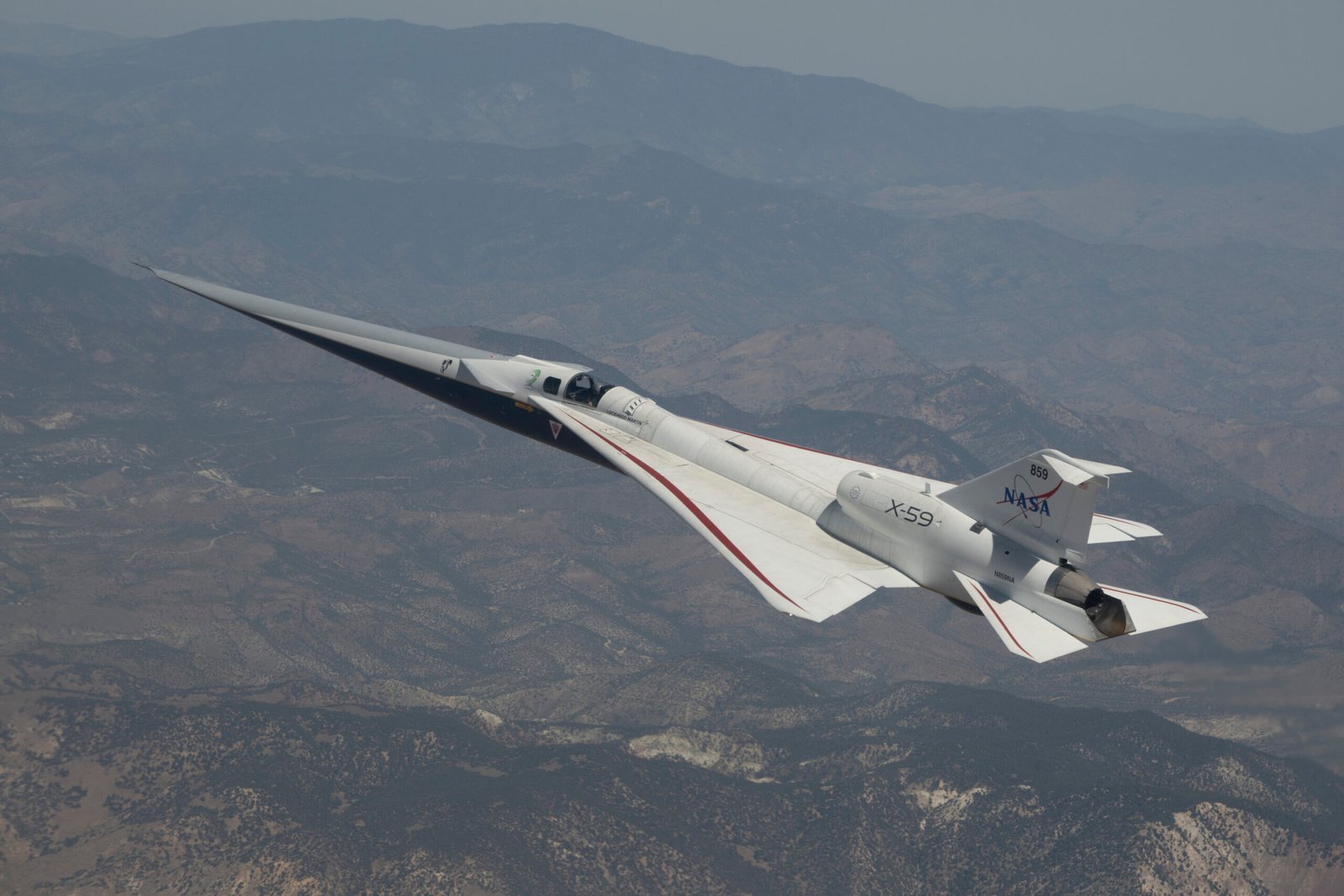
The NASA’s X-59 aircraft was designed to fly in supersonic speeds without producing the sonic boom phenomena.
What is sonic boom?
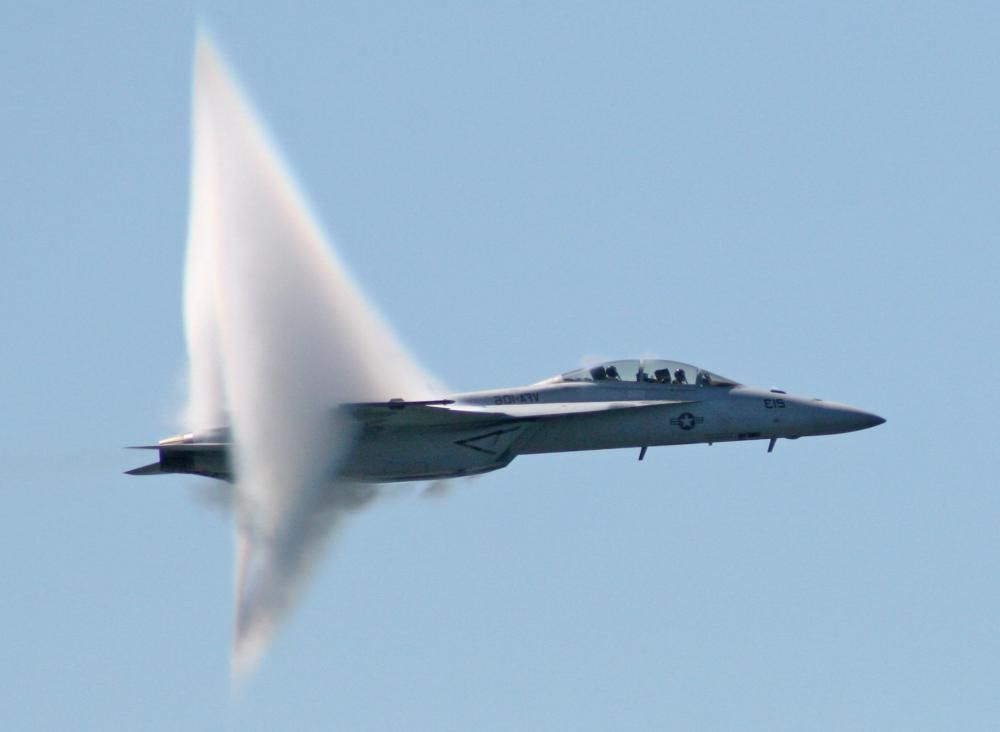
When an object whose speed gets close to the speed of sound, sound wave’s constructive interferences compresses air in front of the object. When it surpasses the sound speed, sound waves form an air cone, which causes a bang that resembles a thunder. Thats why its called sonic boom.
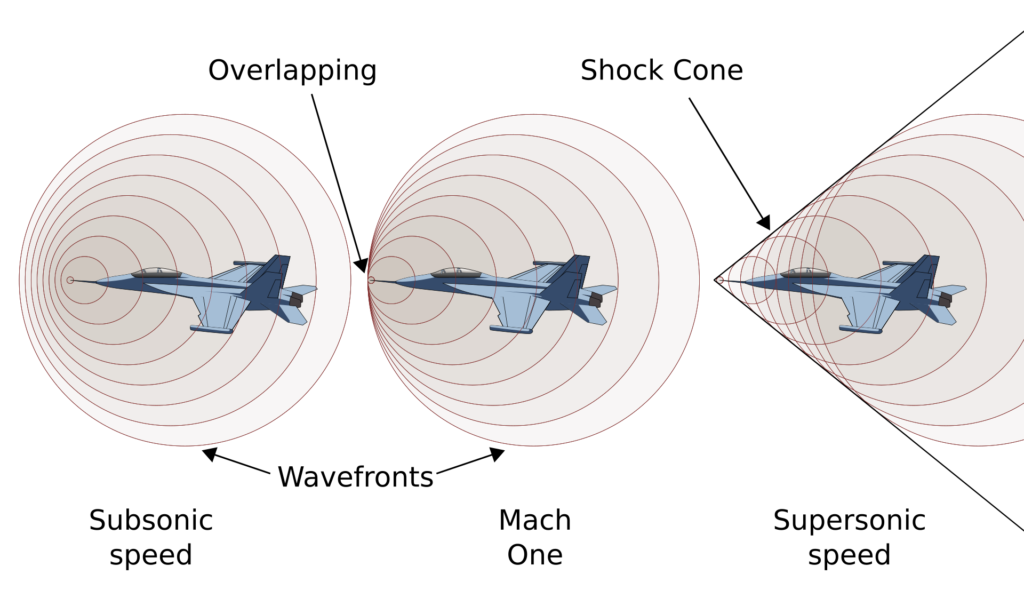
The speed of sound (343 m/s or 1234.8 km/h or 767,26 mph) is called Mach 1. The sonic boom is one of the main reasons there is no supersonic commercial flight.
The news
Source: Tech Xplore
NASA’s X-59 quiet supersonic research aircraft is preparing for some of its most significant flights yet. The X-plane is about to begin a new block of test flights that will include its first time flying faster than the speed of sound and other mission-critical objectives.
After months of flights, the X-59 team reviewed their progress in late May and now look toward the aircraft’s next series of flight tests, including higher altitudes and faster speeds. This will give engineers a look at how the X-59 handles under required operational conditions for NASA’s Quest mission to eventually gather data on quiet supersonic flight.
The team expects the X-59 to fly supersonic—over 630 mph—for the first time at approximately 43,000 feet altitude during a series of test flights in early June, a major milestone for the aircraft. After that, it will conduct a “mission conditions” flight, where it will hit Mach 1.4 (925 mph) at approximately 55,000 feet.
That speed and altitude are important because they’re NASA’s performance targets for the X-59 to eventually fly over U.S. communities to demonstrate quiet supersonic flight and collect feedback data about the aircraft’s quiet sonic “thump” from the public.
While the X-59 is designed to fly at supersonic speeds without producing a loud sonic boom, these early flights are not yet intended to demonstrate its quiet supersonic capabilities. The X-59 will be accompanied by a traditional supersonic chase plane, so any quiet thump it produces in the current phase of testing will be obscured by louder, traditional sonic booms from the chase.
In supersonic flights this summer, the chase aircraft will also be outfitted with a specialized shock-sensing probe to take initial measurements of the X-59’s shock waves.
Completed flights
The X-59’s first block of flights successfully met several test goals, generating data for its team to analyze. After making its first flight in October 2025, it entered a scheduled period of maintenance before returning to the skies in March 2026. It has since completed 14 additional flights, marking milestones including:
- Its first gear swing, or the retraction of its landing gear to show off its sleek design for the first time.
- Reaching altitudes up to 43,000 feet and near supersonic speeds at Mach 0.95, approximately 627 mph.
- Marking its first dual-flight day and then making those increasingly routine as the X-59 team increased flight cadence.
- After a period of moving higher and faster, transitioning into lower and slower test flight conditions so engineers could gather information on the X-59’s behavior across a range of flight conditions.
Data collected during the X-59’s first block of test flights helped teams better assess critical systems, including fuel, hydraulics, environmental controls, and the eXternal Vision System, which is the aircraft’s unique series of cameras that feed into a monitor that allows the pilot to see forward instead of using a traditional windshield.
Teams monitored how the aircraft behaved during takeoff, landing, and throughout flight. Strain gauges installed throughout the X-59 collected detailed information on the forces it experienced, and how its structure responded to them.
During the X-59’s upcoming flights, pilots will run through test points while engineers watch the aircraft’s performance—but now in supersonic flight conditions.
In addition to reaching mission condition during this block of flight tests, the X-59 will also achieve its maximum speed of Mach 1.6 (1,218 mph) and altitude of 60,000 feet.