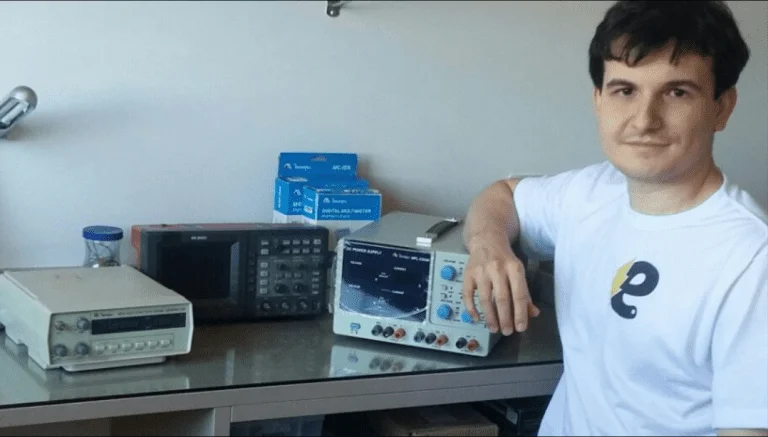
In this post I will explain how the BJT (Bipolar Junction Transistor) works. Exist many other types of transistors which will stay to other posts. This is one of the most important electronic components.
Rare earth (Part 2)
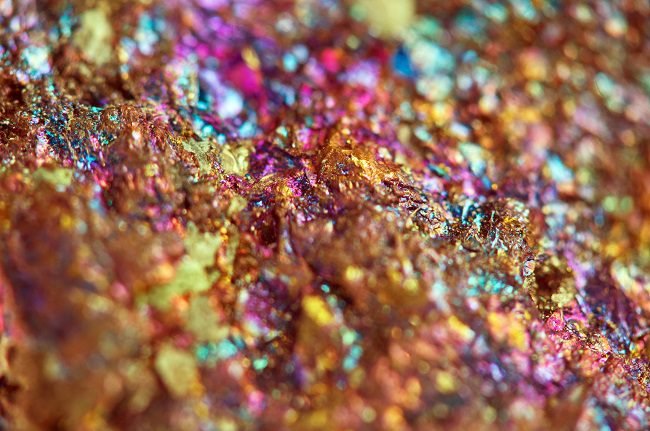
This post is the continuation of rare earth subject. I will talk about the main rare earth reserves and some applications of each element.
Brushless motor

This post’s subject is about brushless motor. This type of motor is much used in drones and model airplanes for be light and has great rotation speed, making it good to move propellers. Not all drones use brushless motors. Are used also in coolers (computer’s fans).
How DC motors work?
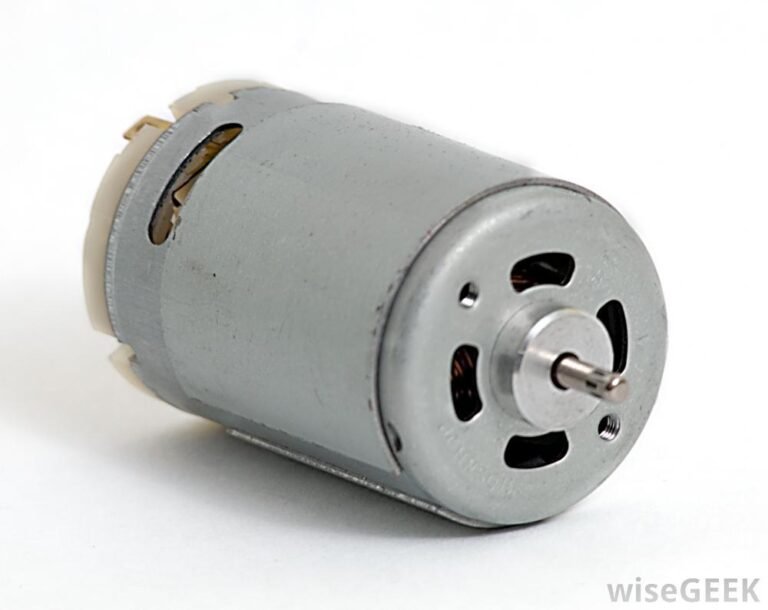
In this post I will explain how the DC motors work. This is a basic concepts post it will be important to understand future posts.
Rare earth (Part 1)
In this post I will talk about rare earth, fundamental elements to modern technologies.
Electronic muscle
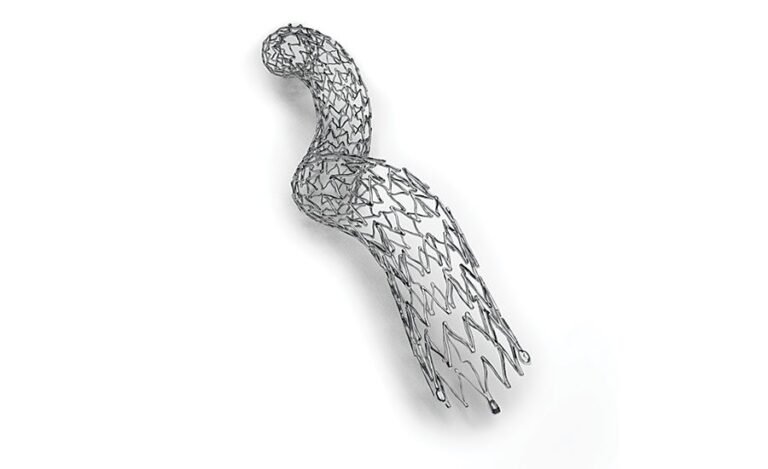
Traditionally the actuators which move robots are electrical motors, but these aren’t the only way to move robots, an alternative are the electronic muscle, which are this post’s subject.
Arduino tutorial (Part 3)

In the third part of this tutorial, I will show how to use servomotors and new commands. This post has been updated.
Does cellphone causes cancer?
Cellphone causes cancer. Urban legend or scientific fact? It is the subject of this post.
What is plasmonics?
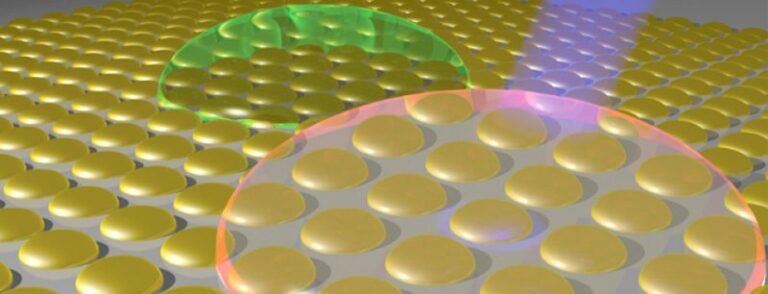
In this post, I will show the plasmonics. It is an emerging field that leads with plasmons, which are electron waves generated by light.
How to generate energy from garbage?

One of the greatest environmental problems today is the big quantity of garbage produced currently. It is a great idea to transform all those garbage in energy due to big demand of electrical energy. How to generate energy from waste is this post’s subject.