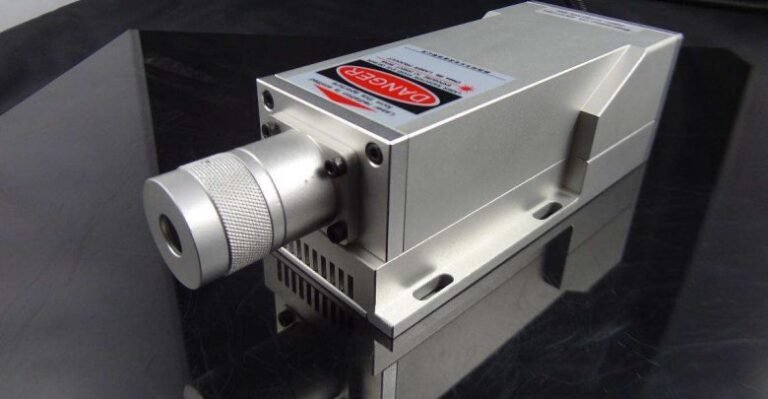
Semiconductor or diode lasers are the most used nowadays. The operation and materials used in this type of laser are shown in this post.
LEO: the bipedal flying robot
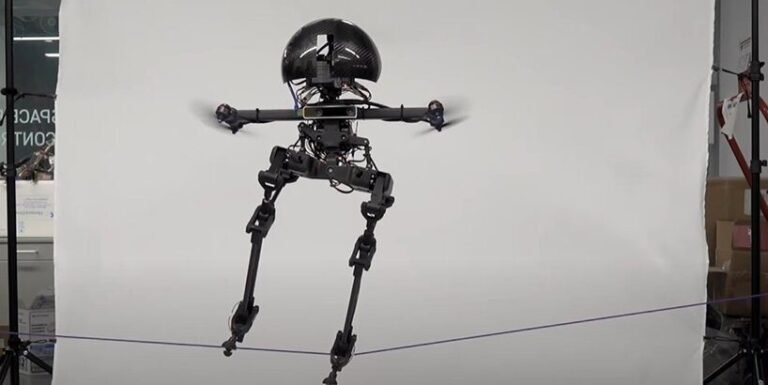
LEO was recently built, the first bipedal robot that can fly like a drone and do complex movements like skating.
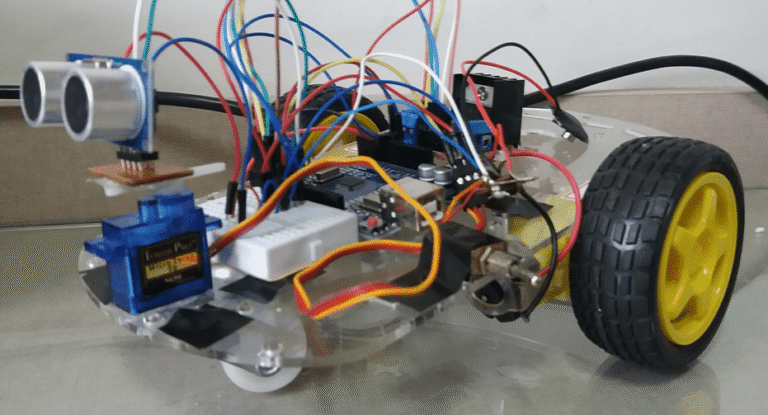
Arduino tutorial (Part 5, H bridge shields), 2nd edition
This is the second edition of the post about H bridge shields. It has additional information about the use of PWM on H bridge shield L298N.
Synthetic starch from carbon dioxide
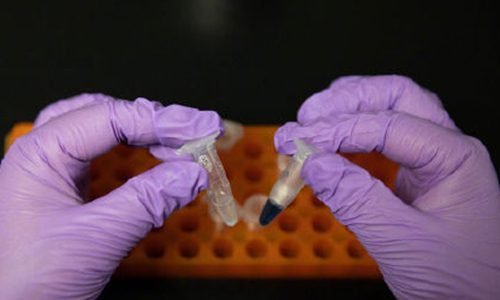
Chinese scientists produced synthetic starch from carbon dioxide (CO_2) for the first time. Making possible industrial production.
Laser types (Part 1, gas lasers)

This is the first post of laser types series. Toady’s subject is the operation of the main gas lasers, which were created in the 1960s.
Robotic chameleon changes color
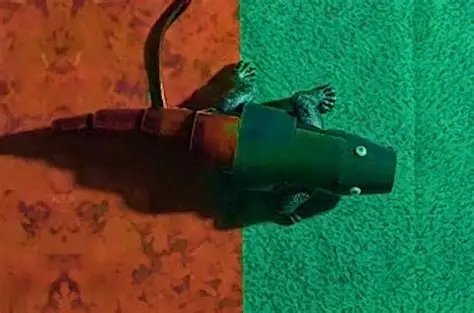
Was built a robotic chameleon that changes color according to the environment.
Rotary encoder: how it works and how to use it?

The rotary encoder looks like a potentiometer, but the operation is completely different. How it works and how to use it in Arduino are today’s subjects.
Space module Nauka
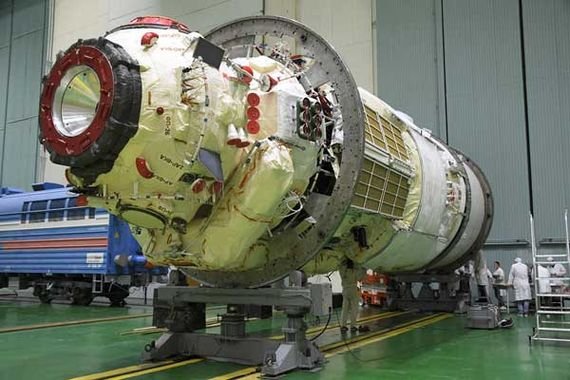
The new Russian space laboratory Nauka arrived at the International Space Station (ISS). The module’s name means “science” in Russian.
Coaxial cable: how it works?

How the coaxial cable works and why it’s so used in signal transmission in telecommunications? It’s this post subject.