The second part of Arduino tutorial series will show how to implement digital inputs, use buttons, and analog inputs to use sensors. Click in the following button to see the first part of the tutorial and understand the introductory concepts.
Mobile communication generations
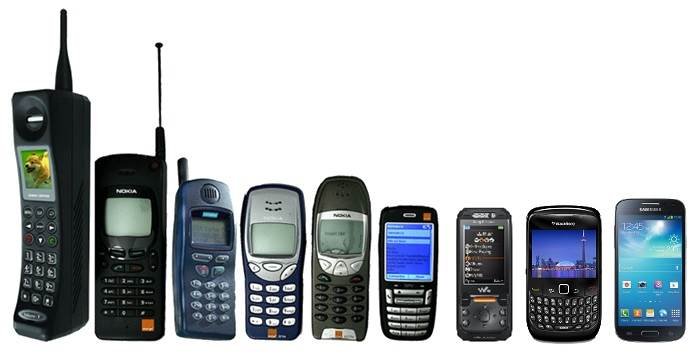
You have already heard of terms like 3G and 4G referring to wireless mobile communication. What it is mean? In this post I will explain all the four mobile telephone generations.
New theme: Environment
The Electrical e-Library will have a new theme together with Energy, Electronics, Telecommunication, Robotics and Projects.
LCD construction
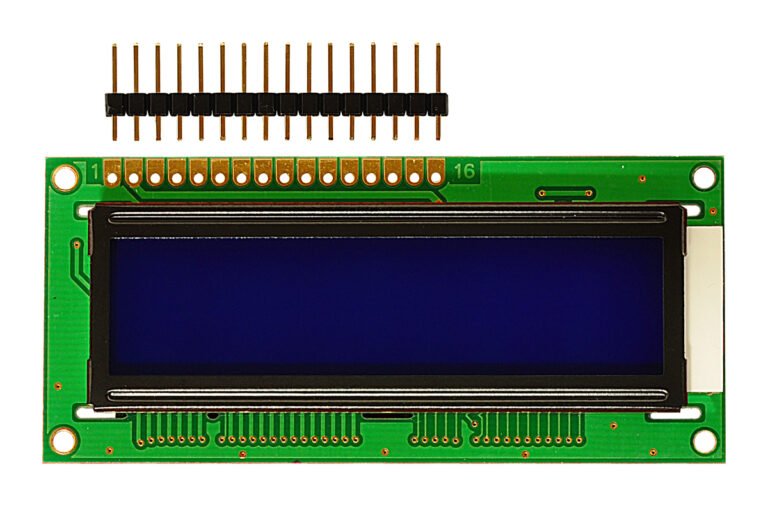
In this post I will explain how the LCD are made. Click in the following button to see the post about the working of LCD.
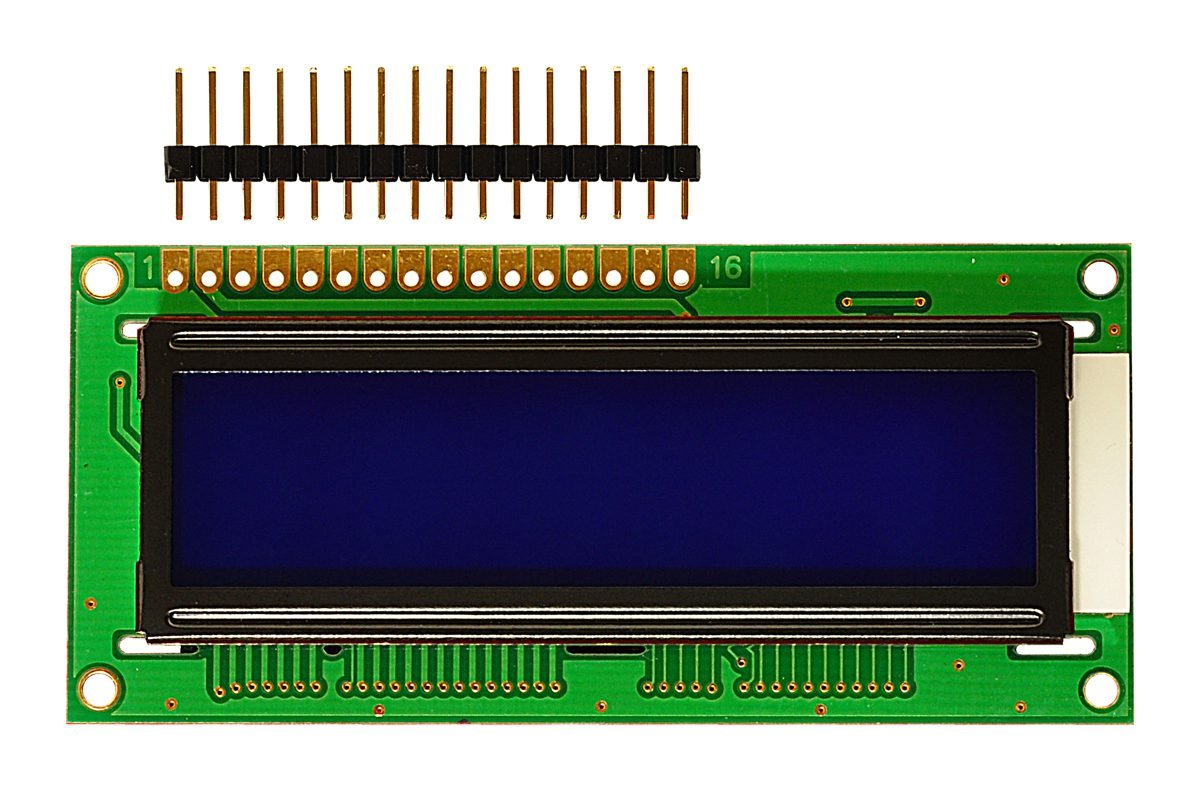 LCDClick here
Materials
Here are the materials that compose the LCD.

The liquid crystal stays between two polymer layers, the LCD’s glass is coated with silicon dioxide to polarize the light and it is made of borosilicate to avoid the ions to modify the electrical field and consequently the crystal’s alignment, the silicate dioxide is to stop the passage of ions. Transparent electrodes are made with a layer of indium tin oxide and lithography (I will create a post about this process with more details).
Manufacturing mode
To make a LCD, first you have to wash, polishing and cut in the right size. The polishing is made with this process.
 The glass must be cut with a diamond saw.

After that the glass is coated with silicon dioxide. The next step is to put the transparent electrodes in the glass substrate and for that you must coat it with indium tin oxide, put a photoresistive layer above and use a mask to apply the photolithography process, similar to the process of manufacture chips.

The next step is use a polymer film of polyamide to coat the substrate with electrode to align the liquid crystal with the substrate. Then the liquid crystal is finally injected between two substrates, the LCD cell should have between 5 to 25 micrometers. Finally build the electronic circuit to control the LCD.
Types of transformers
In the previous post about energy, I talked about how transformers work. In this post I will talk about many types of transformers. Click in the following button to know how the transformers work.
News: snake robot catch objects and climb walls
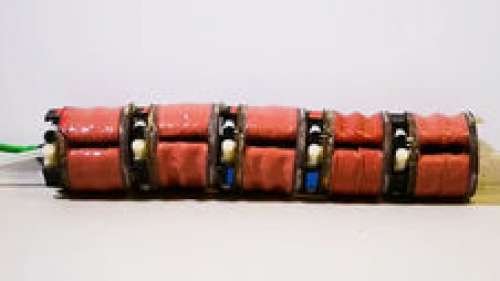
Was developed a snake robot which moves very similar to a real snake. This robot does not have rigid motors, has discs with 3 air bladders between a pair of discs.
Arduino tutorial (Part 1)

This post is part from a series of posts about how to use Arduino. It is a very easy microcontroller to learn and you can do many projects.
Vehicle trackers

Due to requests, I will explain how electronic trackers in a general work. The focus in this post will be tracking used in vehicles.
News: play music with thought
I know I said that the next post about electronics will be the construction of LCD displays, but I think this is a very interesting news and I could not let it pass.
Transformers
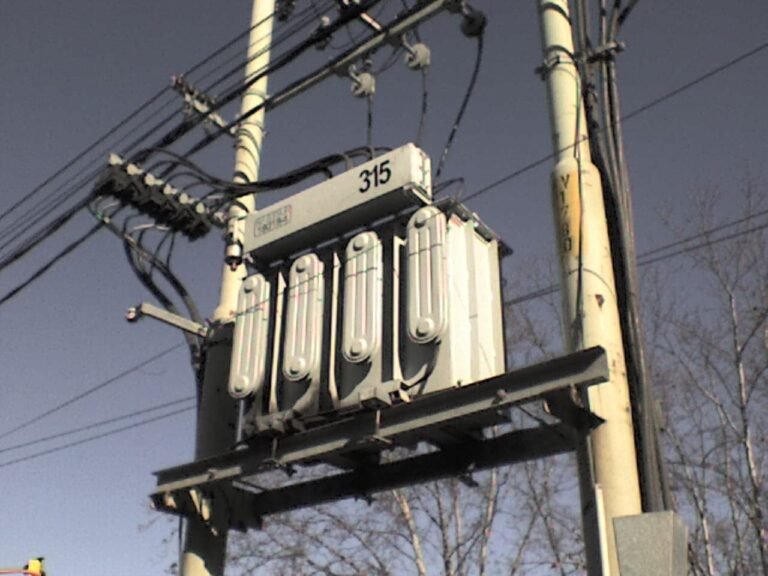
In this post, I will explain how transformers work. Thanks to transformers, it is possible to transmit electric energy in alternating current over long distances, receiving a voltage level and transmitting another level.